M33 · Spiral Galaxy
Triangulum Galaxy
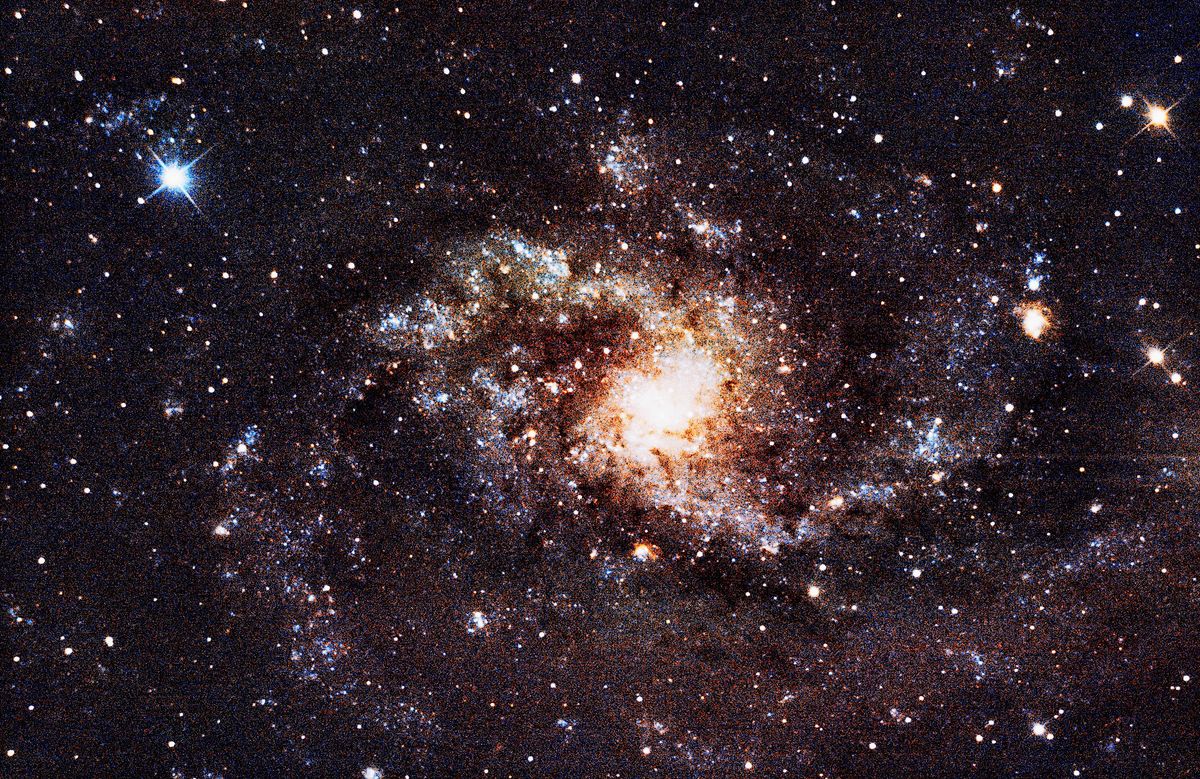
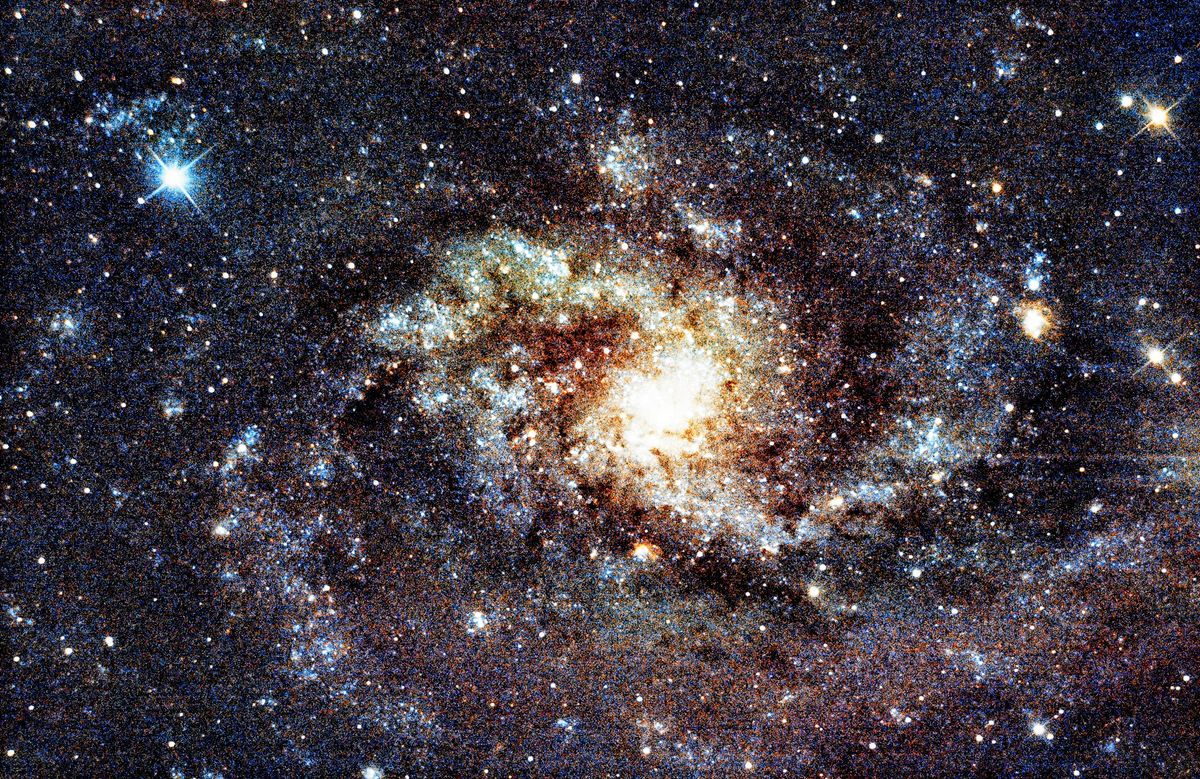
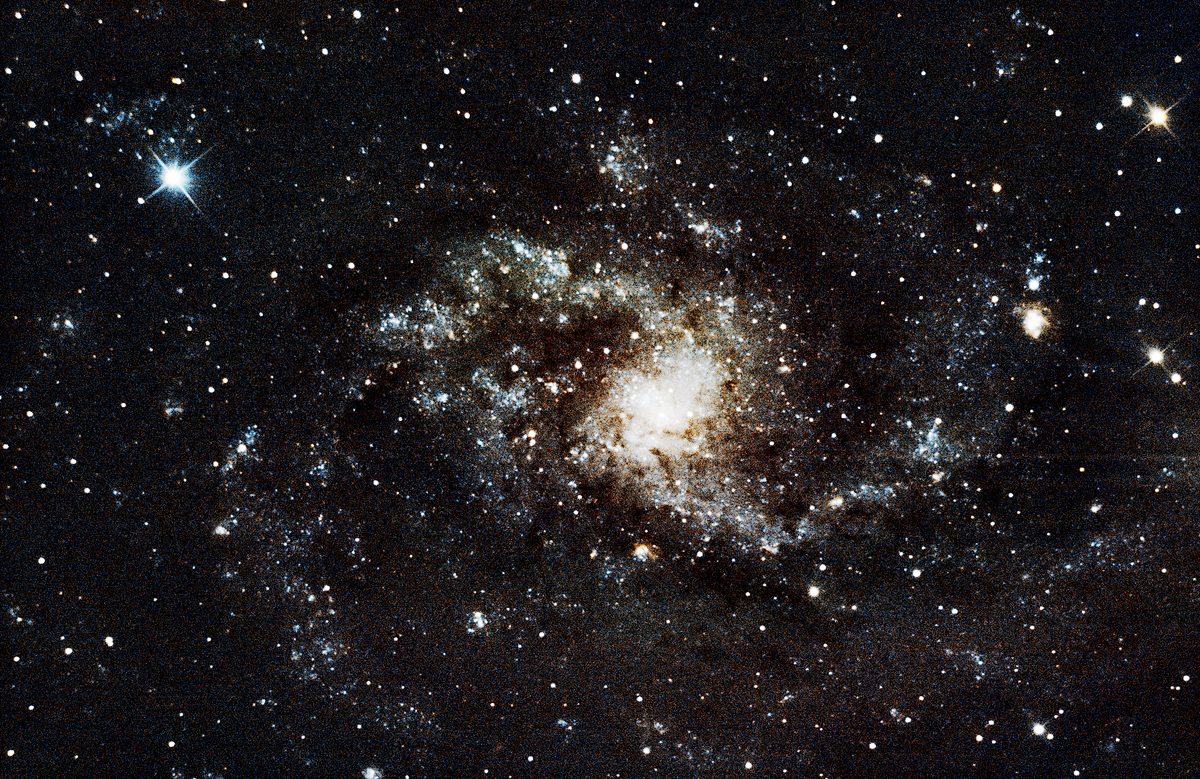
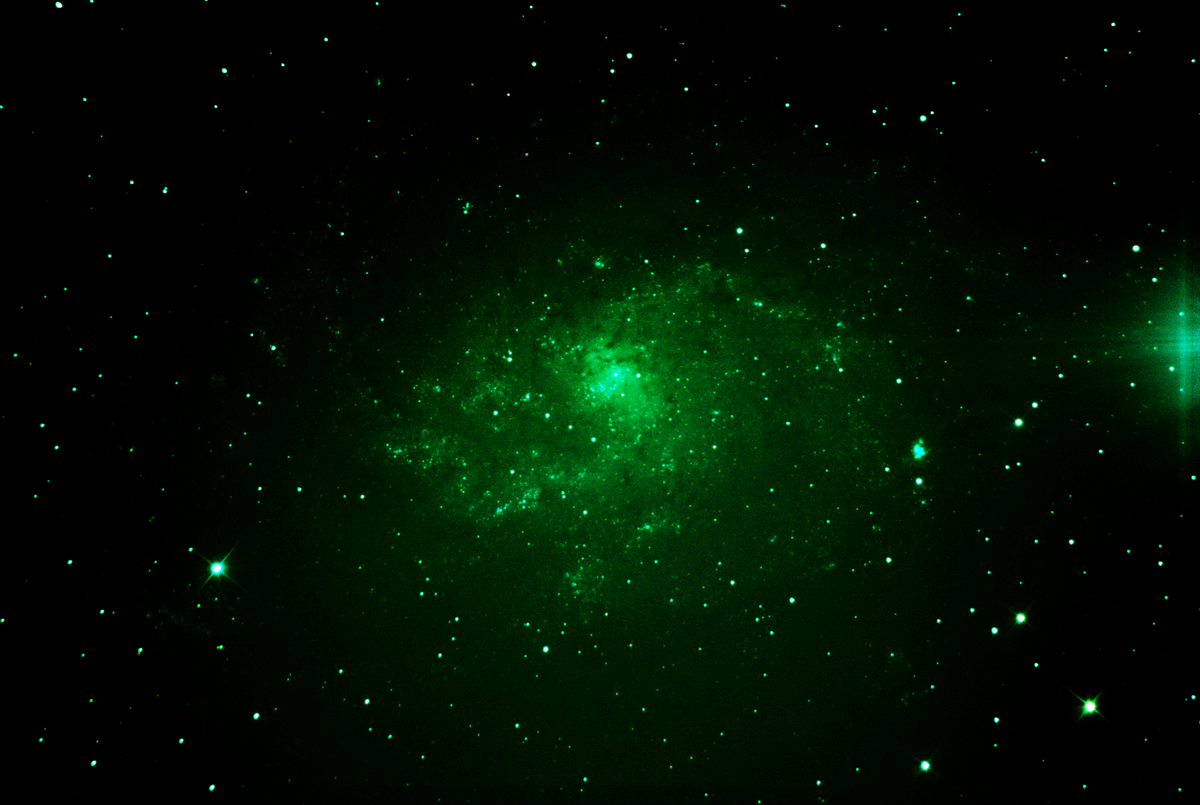
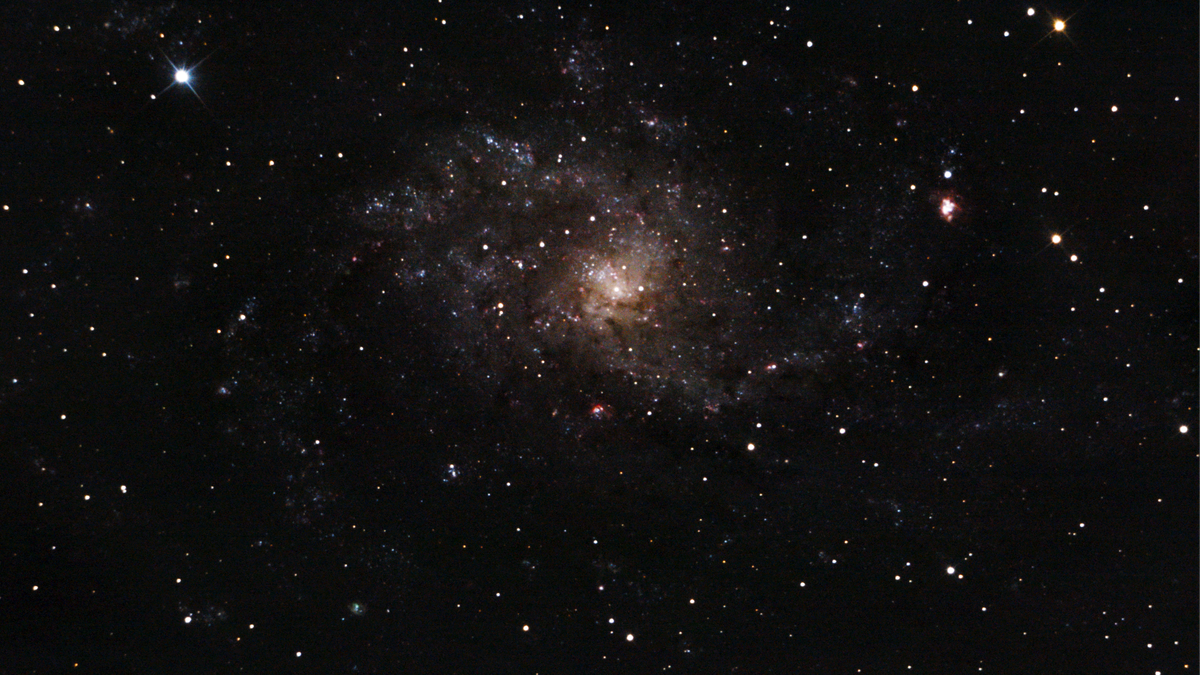
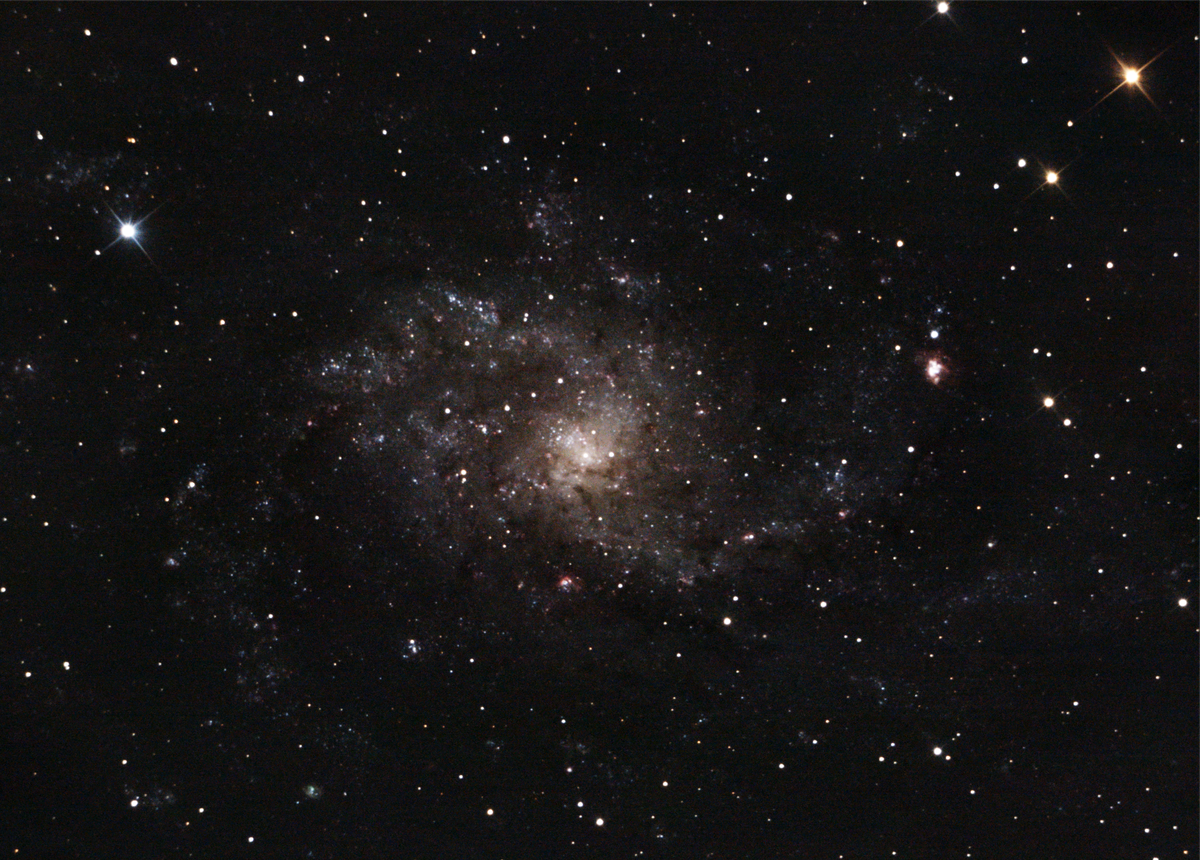
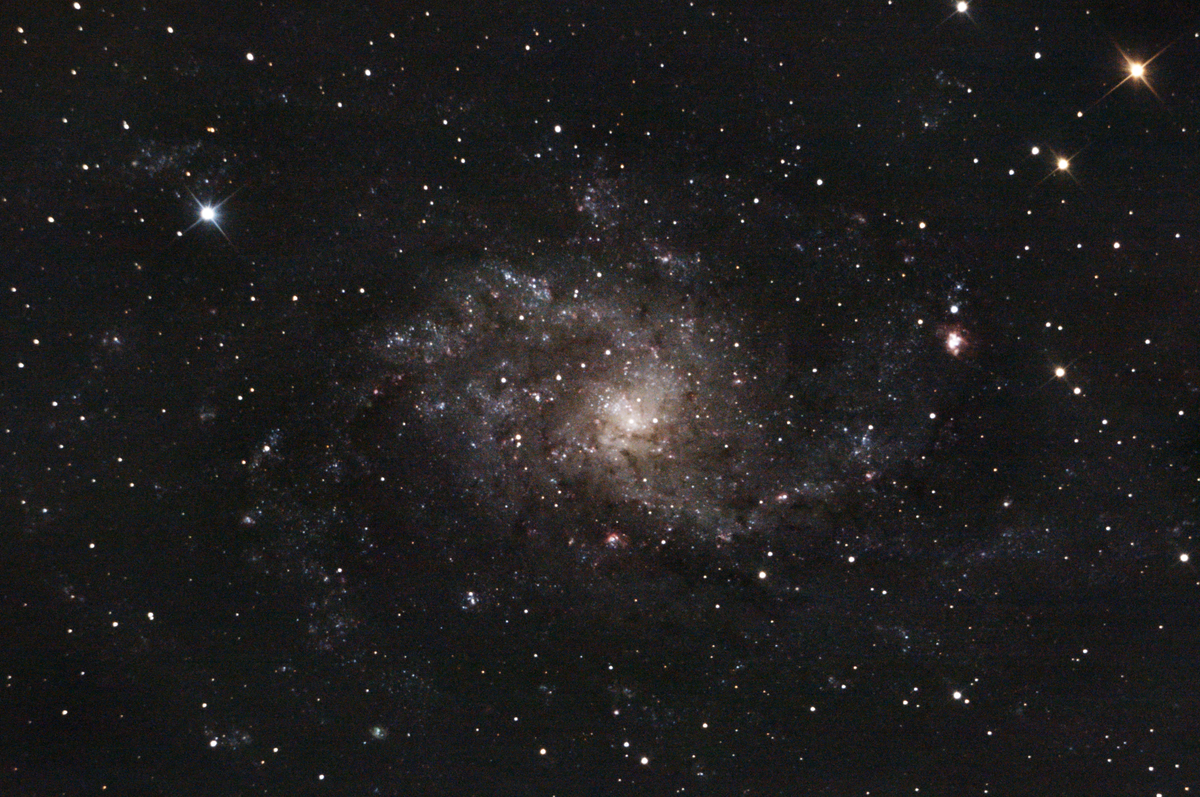
Third-largest galaxy in the Local Group and a face-on spiral neighbour to Andromeda. Studded with giant emission nebulae including NGC 604, one of the largest known star-forming regions in the local universe.
// imaging sessions
- Gear
- Sky-Watcher Explorer 200P Newtonian · Sky-Watcher EQ5 Pro SynScan GoTo · ToupTek 183CA · TS-Optics 2" Newtonian coma corrector · Pegasus Astro Gemini EAF · 50/90 mm guide / finder scope · ToupTek 327C Mini guide camera
- Filters / frames
- None — bare OSC broadband
- Total integration
- ~4 h
- Sensor
- gain 100
- Location
- Klebe, Plau am See, Mecklenburg · Bortle 3
- Software
- N.I.N.A. (Nighttime Imaging 'N' Astronomy) · Siril · GIMP · PHD2
Second visit to M33 from Plau am See — deeper integration than the September attempt, tighter framing on the galaxy core. The dust lanes and pink HII regions along the spiral arms (NGC 604 prominent in the upper-east) come through more clearly.
- Gear
- Sky-Watcher Explorer 200P Newtonian · Sky-Watcher EQ5 Pro SynScan GoTo · ToupTek 183CA · TS-Optics 2" Newtonian coma corrector · Pegasus Astro Gemini EAF · 50/90 mm guide / finder scope · ToupTek 327C Mini guide camera
- Filters / frames
- None — bare OSC broadband
- Total integration
- ~4–5 h
- Sensor
- gain 100
- Location
- Klebe, Plau am See, Mecklenburg · Bortle 3
- Software
- N.I.N.A. (Nighttime Imaging 'N' Astronomy) · Siril · GIMP · PHD2
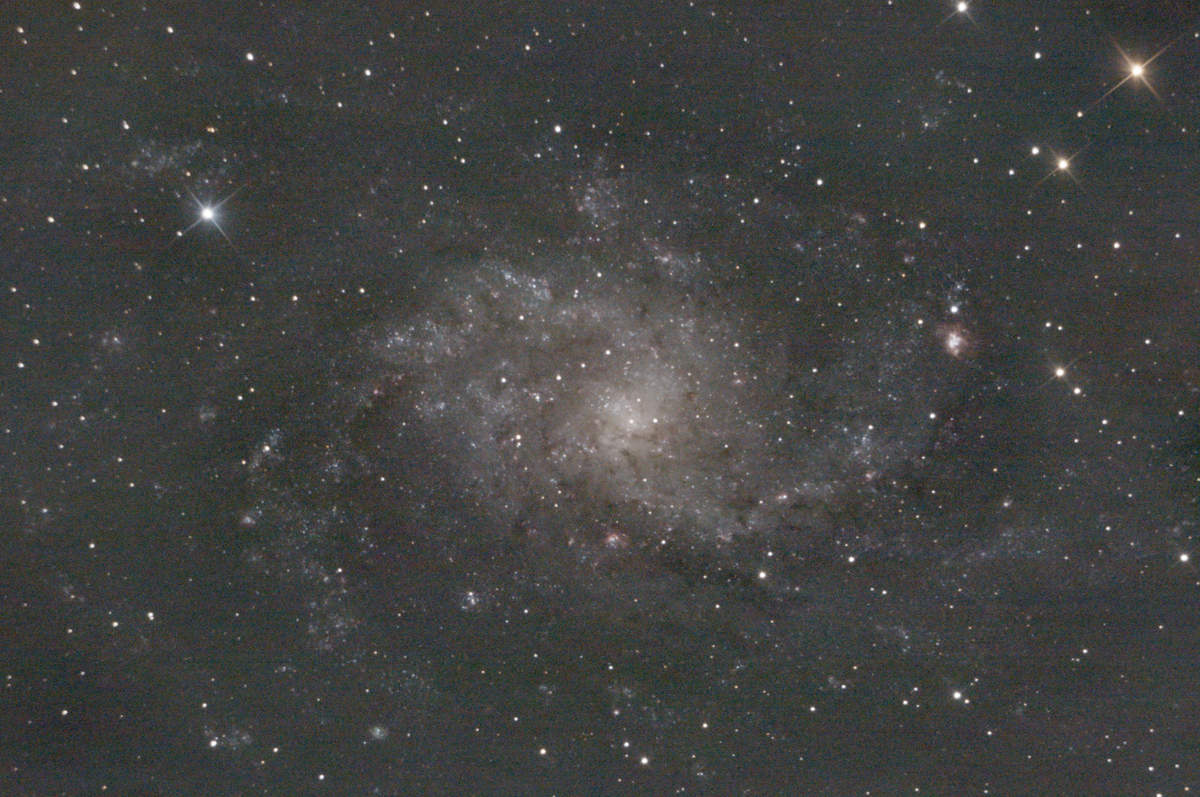
Triangulum Galaxy from the September 2025 Plau am See campaign — same week as the Bubble Nebula. OSC 183CA at f/5 with no filter; the dust lanes and blue OB associations along the spiral arms come through cleanly thanks to the Bortle 3 sky. PHD2 guiding via the 50/90 + 327C, autofocus per filter via the Pegasus EAF.